Important Effects Of The Fiscal Cliff Deal On The Kansas City Real Estate Market

Checking The Pulse Of The Kansas City Real Estate Market

2012 was a much improved year for the Kansas City real estate market. Even through the slower fall months, supply, demand and housing prices remained steady and the housing market continued its rebound. The months of inventory on the market in most local areas was at the lowest points seen in years. All together, home prices in most price ranges had stabilized and that’s been music to many weary home seller’s ears. But all of that was threatened by the Fiscal Cliff and if a deal hadn’t been struck by Congress the housing market could have quickly fallen into turmoil.

Photo 1210

A critical factor in the Fiscal Cliff deal is the extension of the tax relief offered to Short Sale home sellers. For at least the next year, sellers who achieve a successful Short Sale with their lender will continue to NOT have to treat the forgiven debt as taxable income. This is huge because without it a lot of sellers would have lost motivation to try to work out a short sale… And that would have meant a whole lot more foreclosures on the market and ultimately lower sales prices in most areas.

Just as importantly, the mortgage interest deduction for homeowners will continue untouched. The mortgage interest deduction is one of the most important factors in owning a home versus renting, so this part of the legislation was extremely critical. All together, the Fiscal Cliff deal will help prevent an influx of new listings on the market and thus allow the real estate market to (hopefully) continue on the path of recovery.


Posted by Jason Brown

Add to DeliciousAdd to DiggAdd to FaceBookAdd to Google BookmarkAdd to RedditAdd to StumbleUponAdd to TechnoratiAdd to Twitter

Short Sales Surpass Foreclosure Sales As We Near The End Of The IRS Tax Break On Short Sales

Checking The Pulse Of The Kansas City Real Estate Market

The volume of Short Sales continues to rise as under-water homeowners and the lender’s who hold the loans understand the benefits of avoiding foreclosure. In almost all situations, a lender does not want a foreclosure on the books as it causes many direct and indirect problems for a lender. Seller’s don’t want a foreclosure on their credit history and can rebound in most cases to buy a home within a year or two of a successful Short Sale.

A Short Sale means a homeowner selling their home for “short” of what they owe the lender on the home. For this to occur, the seller has to locate a buyer, get the buyer under contract and then submit the contract (along with a detailed short sale package on the homeowner) to the lender… From there the lender begins considering whether they’ll accept the Short Sale — i.e. whether it’s better for the lender to accept the Short Sale or whether the lender will come out ahead by simply foreclosing on the property.

Currently homeowners don’t have to pay federal tax on the unpaid mortgage amount that was forgiven. This unpaid amount (viewed by the IRS as a form of “income”) has received a tax break since the Mortgage Debt Forgiveness Act went into effect several years ago. The potential end of this tax break is part of the reason for the increase in Short Sales. In fact, Short Sales have become so prevalent that they have surpassed the volume of distressed bank-owned REO homes.

For buyers, Short Sale listings are almost always in better condition than bank-owned properties. This is because the homeowners are often in the home up until the closing occurs, making the sale similar to a traditional home sale, in that regards. This means the homes are usually maintained to some degree and is one of the main reasons that Short Sales have been selling on average for about 15% more than bank-owned properties.


Posted by Jason Brown

Add to DeliciousAdd to DiggAdd to FaceBookAdd to Google BookmarkAdd to RedditAdd to StumbleUponAdd to TechnoratiAdd to Twitter

Do You Know Someone In Johnson County Who’s Faced With Losing Their Home To Foreclosure?

Checking The Pulse Of The Kansas City Real Estate Market

If you know anyone who’s struggling to make their mortgage payments, they’re surely pondering the options for selling their home. If they don’t have the money to pay the real estate commission or are upside down even more than that amount on their home, then this often leaves homeowners in a paralyzed state. What a LOT of homeowners don’t realize is that they can try selling their home in a Short Sale and the seller would NOT be responsible for paying the resulting real estate commissions.

If you’re unfamiliar with the process, a Short Sale means a seller sells their home to a buyer at an amount that nets “short” of how much is needed to pay of the outstanding mortgage balance(s). While selling in a Short Sale will likely put a hit on the seller’s credit, it’s nothing like the hit a foreclosure will do. In fact, many people who sell their homes in a short sale are able to regroup their finances and purchase another home within a couple of years. That’s not going to happen for someone who loses their home in foreclosure.

You may be wondering how a seller gets out of paying the real estate commissions… It’s because the seller’s lender pays it. Why and how? Any lender who will consider a Short Sale understands the seller doesn’t have the ability to pay it themselves (remember, the seller can’t even afford to continue making their mortgage payments). Once a buyer makes an offer and the seller accepts (with the understanding the deal won’t happen if the seller’s lender doesn’t accept a short sale), then the offer is submitted to the seller’s lender… and the lender will factor the real estate commissions into the equation for whether they’ll accept the Short Sale offer.

As far as the process, it’s complicated for real estate agents, no doubt about it. It can easily take 10 times the work – and sometimes triple or longer the time – to get a Short Sale completed. Sometimes a lender will doom the process… they’re often disorganized, sometimes difficult and occasionally non-responsive. But this is what we agree to take on when we take a Short Sale listing. I don’t think 90% of agents understand what they’re getting into when they list a Short Sale. We do… And it’s certainly a process that requires organization and persistence.

Our Short Sale listings get the same attention to detail and care that all our listings get. So if you know someone who… owns a home that’s lost value… doesn’t have the money to pay a real estate commission… has lost their job… can’t afford their home due to a divorce… Or something similar, then there’s a good chance we can help them. Have them email me and we’re happy to go over their situation in detail to see how we can help.


Posted by Jason Brown

Add to DeliciousAdd to DiggAdd to FaceBookAdd to Google BookmarkAdd to RedditAdd to StumbleUponAdd to TechnoratiAdd to Twitter

Is Your Credit Score Good Enough To Buy A Home In Kansas City Or Johnson County KS?

Checking The Pulse Of The Kansas City Real Estate Market

If your credit score is over a 800, you’ll be in the drivers when getting Pre-Approved to purchase a home in Kansas City, Johnson County Kansas or the surrounding area. The mythical perfect credit score is 850 but in reality, even if you could obtain that score, there’s virtually no difference between that and an 800 credit score. More or less, if your credit score is over a 770 you’re considered an excellent credit risk and financing will likely be readily available to you.


Often times, a credit score of 750 is also considered excellent and may help you obtain the same good financing options that an 800’s credit score borrower gets.  But dip below 750 and you’ll likely fall below what most lenders consider an “A” paper borrower.  Still, there’s many lenders that consider a 720 or even a 700 credit score to be a solid credit risk. But dip any further, such as the 700’s to 720’s and lenders are likely to be scrutinized on your likelihood to repay the loan. If your score is in the 680’s or 690’s, you will face even more scrutiny, though you are likely to still be able to obtain a home loan.

If you’re in the 640’s to 680’s range, you may find lenders are unwilling to give you the most favorable terms and low fees. If you’re below 640, it’s possible you’ll get rejected for the loan. More or less, a mid 600’s presents lenders with a so-so credit risk, so you’re not going to get the most favorable terms. If your credit score is below 620, your ability to get a loan will certainly be in question with many lenders. Anything below a 600 could require you to check around for a lender willing to take on the credit risk. Once you find a lender willing and able to give you a loan, you should definitely expect a higher interest rate and/or higher fees to be charged.

If your credit score is in the 500’s, you are definitely credit score challenged and you should probably make plans to rent or move in with the in-laws. You’ll surely need to spend time improving your credit to raise the credit score and be able to purchase a home. Although I play one on TV, I’m not a mortgage lender, so be sure you contact a local mortgage lender to discuss your options in getting Pre-Approved to purchase an area home. It costs nothing to do so.


Posted by Jason Brown

Add to DeliciousAdd to DiggAdd to FaceBookAdd to Google BookmarkAdd to RedditAdd to StumbleUponAdd to TechnoratiAdd to Twitter

Kansas City Home Buyers To Face Tougher Lending Guidelines On FHA Loans

Checking The Pulse Of The Kansas City Real Estate Market

It’s estimated that 30% of mortgage loans on home purchases today – 50% in some real estate markets – are FHA loans. That’s incredible when you think that just 5 years ago FHA backed about 5% of home loans. FHA loans have become such a significant part of today’s real estate market that it’s noteworthy any time FHA lending guidelines are changing. Beginning 7-1-12, borrowers with debts that have gone into collection will have new lending guidelines that must be followed to secure a FHA loan and close on their home purchase.FHA borrowers with debt collections will be required to dispute and show proof the debt is not truly theirs (identify theft, credit card fraud, etc) or, if the debts total more than $1000, then a payment plan must be set up to deal with the undisputed debts showing up on the borrower’s credit report. At least three monthly payments on the payment plan will have to be made before FHA will allow the loan to close. This means any FHA borrowers with debt collections shouldn’t be looking to close on a home in 30 or 60 days, because it’s not going to happen that quickly.

The new guidelines are further measures to stabilize FHA from the foreclosure crisis experienced in recent years. Doing so is vital because keeping FHA on stable ground is a key to the real estate market recovery. It’s also important because FHA foreclosures have continued to rise at a time when most other types of loans have experience a reduced volume of foreclosures. Although much of the rise in FHA foreclosures can be attributed to loans made three or four years ago, these changes are still a good step towards ensuring today’s home buyers are prepared for the mortgage debt they’re about to undertake.


Posted by Jason Brown

Add to DeliciousAdd to DiggAdd to FaceBookAdd to Google BookmarkAdd to RedditAdd to StumbleUponAdd to TechnoratiAdd to Twitter

Short Sales Surpass Foreclosures… What It Means When Buying A Kansas City Home

Checking The Pulse Of The Kansas City Real Estate Market

Many lenders holding notes on homeowners who are about to default on their loans have realized it makes sense to try to work out the best possible deal BEFORE the homeowners move out of the home and/or give up and move on with their lives. Doing so can help keep the lender from having to deal with yet another REO asset on their books. It’s really not a matter of whether the lender is going to lose or not, because they ARE going to lose. Rather, it’s about accepting the lesser of the two evils and that’s led to Short Sales surpassing foreclosures as it relates to distressed home sales.

Bloomberg reported that nearly 24% of distressed sales today are Short Sales, while nearly 20% are foreclosures. The Bloomberg report shows that the average Foreclosure listing sold for 29% less than non-distressed comparable homes, while the average Short Sale sold for 23 percent less, so you can see the advantages some lenders are realizing by accepting Short Sales in today’s real estate market. Given this info, Short Sales are sure to be a prevalent type of listing for the foreseeable future.

While more Short Sales are getting approved, it doesn’t mean the process is easy. In fact, it’s just the opposite. The Short Sale process is NOTHING like buying a bank property because with bank properties, more or less, they can be closed in a predictable time fashion (once you’re able to get the home under contract). But a Short Sale requires getting the seller’s lender to approve of the Short Sale and that’s no easy task. A lender accepting a Short Sale means the lender accepting less than the full amount the seller owes on the home… and no lender is required to accept ANY Short Sale. They have the right to foreclosure on a property if a seller stops paying back their loan and they will exercise that right if they feel it best serves the lender’s interests. 

I’ve seen estimates vary greatly but it’s generally accepted that more than half of Short Sale listings never make it to the closing table. Think about that for a moment before you consider engaging in purchasing a Short Sale. Home sellers NEED a patient buyer who is willing to wait it out for as long as necessary to see if a Short Sale can be obtained. From the buyer’s perspective, there’s really no reason to mess with a Short Sale if you’re not patient because Short Sales are never closed in any predictable time-frame. I network with many top agents and the consensus is the average Short Sale listing that closes takes more than 4 months to do so… And that’s the Short Sales that DO close.


Posted by Jason Brown

Add to DeliciousAdd to DiggAdd to FaceBookAdd to Google BookmarkAdd to RedditAdd to StumbleUponAdd to TechnoratiAdd to Twitter

Are We Nearing The End Of A Buyer’s Real Estate Market In The Kansas City Area?

Checking The Pulse Of The Kansas City Real Estate Market

If you’ve been following my real estate updates on Kansas City, Johnson County, Overland Park and the surrounding area, you’ve probably noticed that the months of inventory in most areas has been improving for several months now. An improved home sale rate coupled with fewer listings hitting the market has cut the amount of inventory drastically. Just ask one of your friends or family members who’s been out shopping for homes and they’ll probably tell you there’s fewer options than they expected. It’s true that the past several years most buyers had so many options their heads would spin. But that trend has been changing in recent months.

Though home prices have still fallen slightly in the past year, the improved sales rate could be foretelling of what’s on the horizon. Before home sales prices begin an upward climb, an improved sales rate must first be established. Since it takes some time for a home to close and because it can take a while for buyers to comprehend that the market has changed, I think it will take at least 6 months after a recovery has begun before home sales prices follow suit. If we’re at that point now, waiting several months to buy a home could leave a buyer in a much more competitive market.

We’re already seeing some sellers pushing back more than they have in years. When a seller realizes there’s less competition on the market, they’re going to arch their backs more. They’ll begin providing fewer concessions to buyers and holding more firm on their price. A recent Bloomberg survey showed national home sales are at their highest level in two years. If these types of trends continue, it’s likely to lead us straight out of our current buyer’s market and into a balanced real estate market in the near future… And with interest rates sure to rise, there’s going to be a lot of home buyers regretting their missed opportunity.


Posted by Jason Brown

Add to DeliciousAdd to DiggAdd to FaceBookAdd to Google BookmarkAdd to RedditAdd to StumbleUponAdd to TechnoratiAdd to Twitter

Benefits Of A Home Warranty Can Be Great For Home Buyers In Kansas City, Johnson County Kansas And The Surrounding Area

Checking The Pulse Of The Kansas City Real Estate Market

If you’re in the market to purchase a home, you should consider the benefits of a one year home warranty. A home warranty is not the same as homeowner’s insurance. While a homeowner’s insurance policy will cover home buyers if their home catches fire or suffers wind damage, it won’t replace your stove if it goes out. Another way to think of it is this, if your dishwasher broke and ruined your hardwood floor, your homeowners insurance should fix the damage to the home but a home warranty would replace the broken dishwasher.

Getting a home warranty in place gives a home buyer the piece of mind for the first year they live in the home. Some buyers prefer to “self-insure” against such items and that’s fine for many people. But if you are operating on a tight budget, having your furnace go out could be a huge burden and spending thousands of dollars on a problem no one saw coming could have a huge effect on a home buyer. The cost of a typical home warranty is often in the $400 to $500 price range, though there’s many different options to consider that can cause the price to vary.

Buyers can ask a seller to pay for the home warranty at closing and if a seller agrees to do so, the buyer is essentially asking a seller to accept $400 to $500 off the list price (over and above whatever less in price the buyer has offered on the home). The seller pays for the home warranty at closing (out of their proceeds) and the buyer would then have a one year home warranty in effect. Should something go wrong, in most cases, all a seller has to do is pay a trade call fee (of maybe $50 to $100) and they should be on their way to having their problem resolved. If you’re in the market for a home warranty company serving Kansas City, Johnson County, Overland Park and the surrounding area, here’s a few options to consider…

HMS Home Warranty

A.B. May Home Warranty

Old Republic Home Warranty Protection

First American Home Buyers Protection


Posted by Jason Brown

Add to DeliciousAdd to DiggAdd to FaceBookAdd to Google BookmarkAdd to RedditAdd to StumbleUponAdd to TechnoratiAdd to Twitter

10% Of Kansas City Metro Area Homes For Sale Are Short Sale Listings

Checking The Pulse Of The Kansas City Real Estate Market

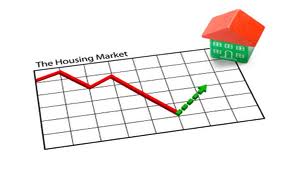
If you are upside down on your home or needing to sell and teetering on a break-even, it can be a very stressful time. If this is you, you’re not alone because around 10% of the homes for sale in Kansas City, Johnson County Kansas and the surrounding areas are Short Sales. We get calls all the time from people needing help in determining if they’ll be able to sell in a traditional sale or if they’re going to need to get short sale approval from their lender.

Seller’s who are upside and in a situation they need to sell, can bring the cash to closing to make the sale happen. This happens more than you may realize and is a way to save your credit and make the problem go away. But for the majority of seller’s who are upside down on their home, they don’t have the cash needed and they’ll need to get their lender on board with selling the home in a Short Sale. If you know someone who is facing losing their home in foreclosure, you can recommend they contact us to discuss the process and their situation. If we can achieve a successful short sale, the lender pays all the real estate commissions and many sellers are unaware of that important detail.

Anyone who needs to sell their home in a short sale will want to act quickly because the law that has allowed short sale sellers to avoid tax consequences is set to expire December of this year. If that happens, sellers could have tax consequences on the amount of the loan written off as a loss by the lender. I’m just a real estate agent so be sure to contact a tax adviser with all tax related questions. The average short sale is taking more than four months to complete, so if that tax law isn’t renewed, selling a home in a short sale next year will be less appealing than it is today.


Posted by Jason Brown
Add to DeliciousAdd to DiggAdd to FaceBookAdd to Google BookmarkAdd to RedditAdd to StumbleUponAdd to TechnoratiAdd to Twitter

A Buyer’s Market In Kansas City Makes It Time To Buy, Not Ask Why

Checking The Pulse Of The Kansas City Real Estate Market

It’s amazing that during the seller’s market we experienced for many years, home buyers would rarely complain about the prices they were paying for homes. But now, during a buyer’s market, when Kansas City home buyers can buy a much larger home at a much cheaper price than they could have 5 or 10 years ago, they simply aren’t buying. Though moving cautiously is understandable given the shaky real estate market, there has never been a better time to buy a home.

Home buyers don’t just have to consider foreclosure homes to find a great deal either. There are MANY home sellers out there who have taken great care of their homes but who need to sell their homes immediately. They are willing to lose money to make it happen and I’ve seen many homes in excellent condition be as good a deal as some of the foreclosure listings available in today’s real estate market. The fall in the housing market has brought us back in line with where history says our housing prices should be. So if history is any indication, now could be the best time ever to buy a home.

When you add in that 30 year fixed rate mortgages are at historical lows, home buyers can get both a GREAT deal on a home and a GREAT low mortgage payment. If you’re a first time home buyer who didn’t lose any money in the real estate downturn, you could greatly benefit from today’s market. Even if you currently own a home, by moving up in today’s market the net effect on your real estate investment could be favorable by buying a larger home in today’s down real estate market. In today’s buyer’s market, home buyers in Kansas City, Johnson County Kansas, Overland Park and the surrounding areas have great negotiating power and there are great deals to be found across virtually all price ranges.


Posted by Jason Brown

Add to DeliciousAdd to DiggAdd to FaceBookAdd to Google BookmarkAdd to RedditAdd to StumbleUponAdd to TechnoratiAdd to Twitter